Self Care and Wellness Planner Canva KDP: A Practical Evaluation for Authors and Planners
A Self Care and Wellness Planner Canva KDP is a pre-designed, editable interior template built specifically for creators preparing to publish a self-care or wellness-focused planner on Amazon Kindle Direct Publishing. Unlike generic printable PDFs or standalone digital journals, this type of resource delivers a production-ready interior file—tested against KDP’s technical requirements—including bleed, trim, and margin specifications for standard paperback sizes (6″ × 9″, 8.5″ × 11″). It’s not a physical product or a subscription service; it’s a design asset intended for immediate upload and publishing by independent authors, coaches, therapists, or wellness educators.
What Sets This Template Apart From Other Planner Resources
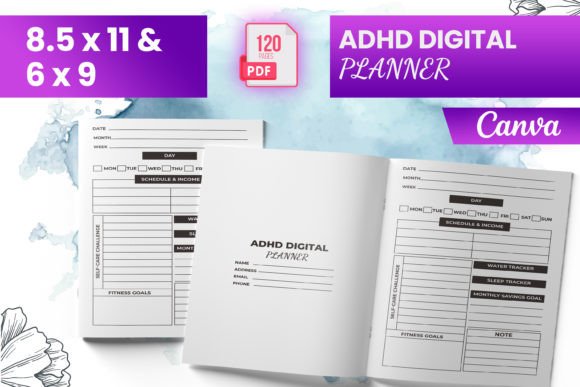
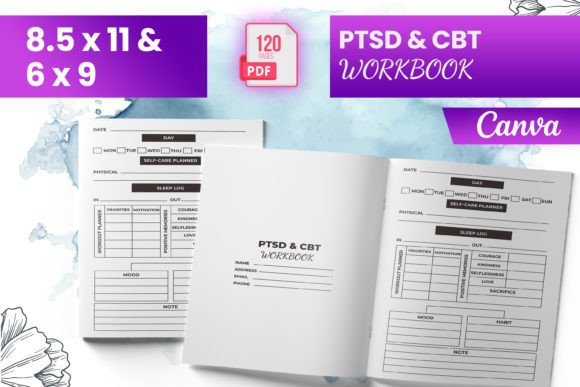
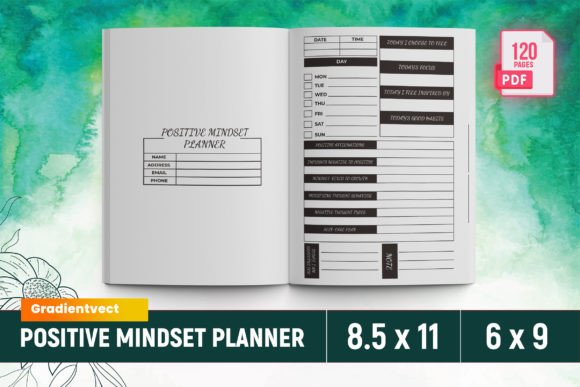
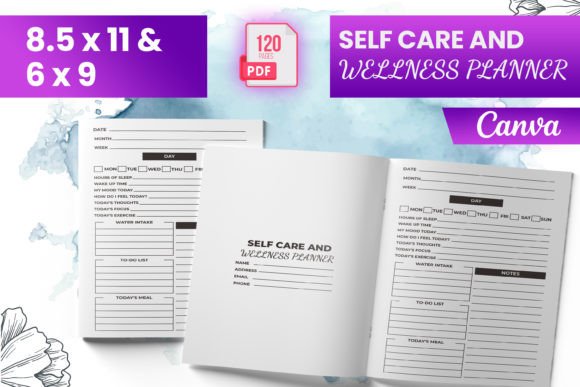
Most downloadable planners fall into one of three categories: static PDF printables, Notion-based digital trackers, or fully custom-designed interiors requiring professional layout skills. The Self Care and Wellness Planner Canva KDP occupies a distinct middle ground. It includes 120 total pages with functional spreads—such as daily gratitude prompts, weekly habit trackers, anxiety journaling space, monthly self-care reviews, and a 30-day wellness challenge—yet remains fully editable in Canva. That editability matters: users can personalize fonts, colors, icons, and even rearrange sections without needing Adobe InDesign or advanced design training.
The inclusion of both PNG and JPG source files adds flexibility. Designers who prefer to layer assets or adjust individual elements outside Canva—say, to refine line weights or re-export at higher resolution—can do so. More importantly, the interior is explicitly labeled “bleed ready” and has been tested on KDP. That means margins, gutters, and image placement align with Amazon’s guidelines for crisp edge-to-edge printing, reducing the risk of cutoffs or misalignment that commonly derail first-time KDP uploads.
How It Compares With Common Alternatives
Compared to blank or lightly formatted printable PDFs sold on Etsy or Gumroad, the Self Care and Wellness Planner Canva KDP offers tighter integration with KDP’s workflow. Printable-only files often lack bleed, use non-KDP-safe margins, or assume US Letter sizing only—making them unsuitable for direct paperback publishing without significant reformatting. In contrast, this template supports multiple trim sizes and includes an intro page formatted to KDP’s cover-to-interior transition expectations.
Against Notion-based wellness templates, the tradeoff is platform dependency versus portability. Notion offers real-time syncing, database functionality, and infinite customization—but it doesn’t produce a printable, bound book. If your goal is to sell a physical planner readers can hold, annotate with pens, and keep on a nightstand, Notion won’t meet that need. The Self Care and Wellness Planner Canva KDP bridges that gap: it’s digital in origin but output-optimized for tangible, shelf-ready results.
Custom design services offer full uniqueness but carry cost and time overhead—often $300–$800 and two to four weeks. For someone launching their first wellness title or testing market interest, investing that much upfront carries risk. The Self Care and Wellness Planner Canva KDP lowers the barrier: it delivers professional-grade structure at a fraction of the cost and time, while still allowing differentiation through personal branding, voice, and selective content edits.
Strengths and Realistic Limitations
Its primary strength lies in balance: it provides enough scaffolding to ensure usability (e.g., consistent spacing between daily review prompts, logical progression from weekly to monthly reflection) without locking users into rigid layouts. The 120-page count covers core wellness domains—gratitude, habit tracking, emotional check-ins, goal setting—without overloading the template with niche or redundant spreads. That makes it adaptable across audiences: someone building a gentle mindfulness planner for beginners benefits just as much as a therapist designing a structured anxiety journal for clinical support.
However, it isn’t infinitely scalable. Users looking to add extensive worksheets, QR-linked audio meditations, or multi-layered progress dashboards will need to supplement beyond the included files. Likewise, while Canva supports basic typography and color adjustments, it doesn’t handle complex vector editing or automated page-numbering across large documents the way dedicated publishing software does. If you plan to release multiple planner variants (e.g., teen-focused, postpartum-specific, ADHD-friendly), you’ll likely need to duplicate and manually revise each version—there’s no built-in conditional logic or dynamic field population.
When It’s the Right Fit—and When It’s Not
This template works best when your priority is speed-to-market, technical reliability, and foundational wellness structure—not radical visual innovation or deeply personalized interactivity. Consider it if:
- You’re publishing your first planner and want to avoid KDP rejection due to formatting errors;
- Your audience values tactile, analog tools over digital convenience;
- You have clear messaging and content but limited design bandwidth;
- You aim to test demand before committing to custom development or illustration;
- You’re comfortable editing in Canva and don’t require advanced typesetting features.
It’s less suited if:
- You need strict accessibility compliance (e.g., screen-reader–friendly tagged PDFs);
- Your concept relies heavily on interactive elements like fillable forms or embedded hyperlinks;
- You’re targeting non-standard sizes (e.g., square or pocket formats not listed in the specs);
- You require multilingual support with right-to-left text flow or complex diacritics;
- You expect automatic updates—if KDP changes its bleed requirements, the template won’t auto-adjust.
Practical Use Cases and Real-World Context
A life coach launching a “30-Day Grounding Challenge” used this Self Care and Wellness Planner Canva KDP to build her first published workbook. She replaced placeholder text with her own reflection questions, added her logo to headers, and adjusted the color palette to match her brand. Because the interior was already bleed-tested, her KDP proof arrived with clean edges and properly aligned margins—no second round of corrections.
By contrast, a yoga instructor who tried adapting a free Canva journal template ran into issues: her 8.5″ × 11″ version printed with cropped corners on KDP’s 6″ × 9″ default preview, and the gratitude journal spread overlapped the gutter. Switching to the Self Care and Wellness Planner Canva KDP resolved those inconsistencies within one afternoon.
That consistency matters—not just for aesthetics, but for user experience. Readers flipping through a planner notice uneven spacing, blurry icons, or cramped margins. Those subtle cues affect perceived value. A well-formatted interior signals professionalism, even when the author is working solo.
Making an Informed Decision
Choosing a planner template isn’t about finding the “best” one—it’s about matching capabilities to goals. The Self Care and Wellness Planner Canva KDP excels where clarity, compatibility, and efficiency intersect. It doesn’t replace thoughtful content creation or audience research. But it removes one layer of technical friction so you can focus on what matters most: helping people build sustainable self-care routines, reflect meaningfully, and track wellness progress in ways that feel accessible—not overwhelming.
If your current process involves stitching together mismatched PDFs, guessing at KDP’s bleed zones, or delaying publication because layout feels daunting, this template offers measurable time savings and reduced error risk. If your needs center on deep customization, automation, or cross-platform delivery, other tools may serve you better. Either way, evaluating options with attention to format constraints, audience habits, and long-term scalability leads to more confident, grounded decisions—both in planner design and in self-care practice itself.