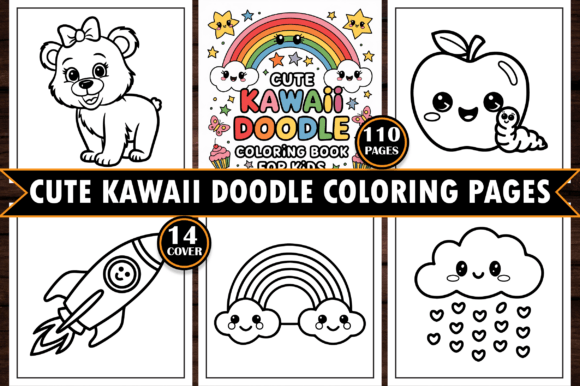
Cute Kawaii Doodle Coloring Pages Kids
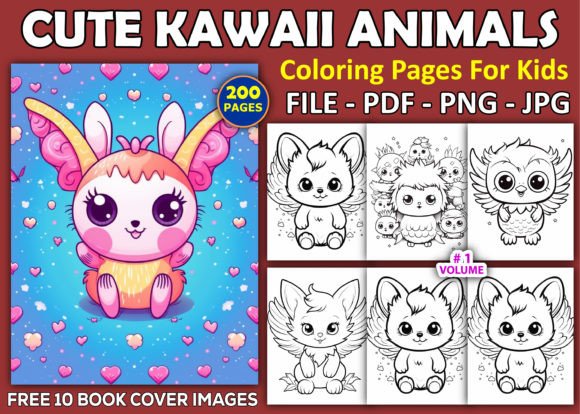
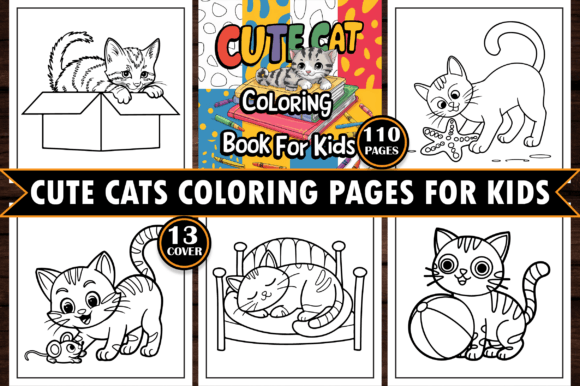
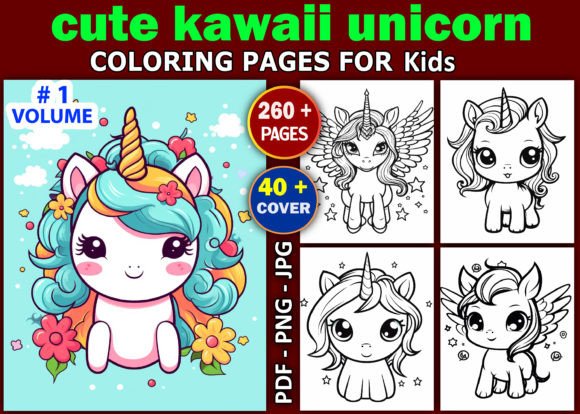
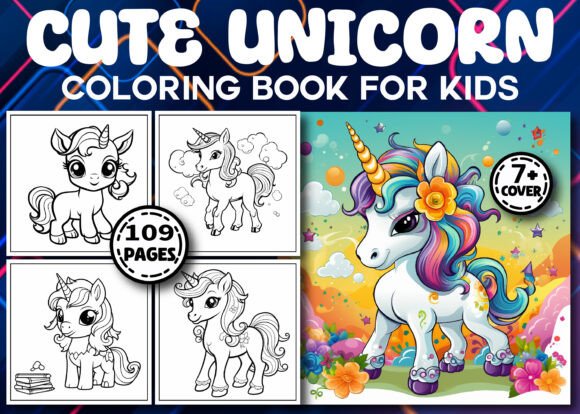
Coloring isn’t just for childhood anymore—it’s a versatile tool for focus, creative expression, and mindful engagement across ages and roles. Cute Kawaii Doodle Coloring Pages Kids reflects this shift: a thoughtfully designed digital resource that meets modern needs—not only for children but for teens, educators, content creators, and small business owners building on platforms like Etsy and Kindle Direct Publishing (KDP). What sets this collection apart isn’t just its aesthetic charm, but its functional readiness: 110 bold, high-contrast doodle-style illustrations, all sized to 8.5×8.5 inches, optimized for printing and digital use without reformatting.
Why Kawaii Doodles Resonate Beyond the Playroom
The kawaii aesthetic—rooted in Japanese culture and defined by soft shapes, gentle expressions, and intentional cuteness—has evolved from niche subculture to mainstream visual language. It’s no longer confined to anime merch or stationery; it appears in branding, mental wellness apps, classroom materials, and even corporate training visuals. That resonance stems from something practical: kawaii design lowers cognitive load. Rounded edges, simplified features, and balanced negative space make images easier to process, more approachable, and less intimidating—especially for beginners or those with attention-related preferences.
This matters for professionals using coloring pages as part of larger workflows. A freelance graphic designer might adapt a kawaii cupcake or smiling cloud into a social media template. A homeschooling parent may print one page for a quiet afternoon activity, then reuse the same PNG file in a custom lesson slide. An Etsy seller can bundle the included 14 book cover backgrounds with matching interior pages to launch a cohesive product line—without commissioning original art or negotiating licensing terms.
Designed for Real-World Use, Not Just Decoration
Many coloring page bundles stop at “pretty.” This one starts where real work begins. Every file type serves a distinct purpose:
- PDF (300 dpi): Print-ready for immediate physical use—no scaling, no bleed adjustments needed. Ideal for teachers preparing classroom handouts or parents printing weekend activities.
- PNG & JPG files (300 dpi, one per page): Transparent-background PNGs allow layering in Canva or Adobe Express; JPGs are lightweight for email newsletters or blog posts.
- EPS vector file: Enables infinite resizing without quality loss—critical for adapting designs to merchandise (stickers, mugs, tote bags) or large-format prints.
- 14 book cover backgrounds: Not generic gradients, but cohesive kawaii-themed textures and layouts that pair naturally with the interior pages—saving hours of design iteration.
That level of technical preparation signals intentionality. It acknowledges that users aren’t just looking to “color”—they’re building, teaching, selling, or supporting others. The uniform 8.5×8.5″ size fits standard paper stock and common print-on-demand templates, reducing friction between download and delivery.
Meeting Shifting Creative and Commercial Expectations
In recent years, demand for ready-to-sell digital assets has grown—not because people want to skip creativity, but because they want to spend creative energy where it matters most. A blogger writing about mindfulness for teens doesn’t need to draw a kawaii moon—they need a trustworthy, on-brand illustration that reinforces their message while preserving time for research and writing. Similarly, an educator developing SEL (social-emotional learning) resources benefits more from expressive, emotionally accessible imagery than from complex line work that distracts from the lesson goal.
This collection responds to that expectation. The 110 pages avoid over-detailing—each is bold enough for confident coloring with crayons, markers, or colored pencils, yet refined enough to feel intentional and contemporary. Designs include friendly animals, whimsical food, nature motifs with playful faces, and abstract patterns infused with kawaii sensibility—not random clipart, but a curated visual vocabulary.
Supporting Multiple Roles Without Compromise
Consider how different users engage with the same asset:
- A freelance illustrator might use the EPS file to study line weight and composition choices, then apply those insights to client projects—gaining both inspiration and technical reference.
- An indie publisher launching their first KDP coloring book can assemble a full 110-page interior in under an hour, test-market with a low-cost paperback version, and iterate based on actual sales data—not assumptions.
- A school counselor could print select pages for group sessions on emotional regulation, pairing a kawaii breathing exercise doodle with guided prompts—making abstract concepts tactile and non-threatening.
- A content creator building a Patreon community might offer one exclusive page per month as a subscriber perk, using the provided PNGs to maintain consistent quality and brand alignment.
None of these uses require advanced software skills. The files are delivered cleanly, labeled clearly, and built for interoperability—not gatekeeping.
What’s Changed—and Why It Matters Now
Fifteen years ago, finding high-quality, commercially usable coloring pages meant sifting through inconsistent free downloads or paying premium rates for single illustrations. Today, buyers expect clarity: usage rights, technical specs, and compatibility details upfront. They also expect ethical production—no AI-generated filler, no recycled public domain scans passed off as original. This collection meets those expectations by offering human-crafted, stylistically unified artwork with transparent deliverables.
It also aligns with broader shifts toward micro-creativity: short bursts of focused making that fit into busy schedules. A 10-minute coloring break isn’t “just fun”—it’s a documented cognitive reset. For adults managing stress or neurodivergent individuals seeking sensory regulation, kawaii doodles provide gentle structure without rigidity. For kids, they support fine motor development and early visual literacy—all while feeling joyful, not instructional.
Practical Next Steps for Users
If you’re evaluating whether this fits your needs, ask yourself:
- Do I need consistency? If you’re building a branded product line—or even a themed Instagram feed—having 110 pages that share the same scale, line weight, and visual tone saves weeks of curation.
- Do I value flexibility? The inclusion of PDF, PNG, JPG, and EPS means you’re not locked into one platform or workflow. You can pivot from print to digital to merchandise without starting over.
- Do I prioritize time efficiency? Instant digital download eliminates shipping delays, inventory tracking, or physical storage—critical for solopreneurs managing multiple income streams.
There’s no expectation that every page will be used immediately. Many professionals treat such collections like a well-stocked toolkit: opened when needed, referenced across projects, and appreciated for their reliability—not novelty.
Not Just a Trend—A Thoughtful Interface Between Art and Action
Cute Kawaii Doodle Coloring Pages Kids works because it bridges intention and execution. It doesn’t assume expertise—but it respects the user’s goals. Whether you’re helping a child name emotions through a kawaii weather-themed page, designing a calming journal for anxious teens, or launching your first Etsy shop, the value lies in what the files enable—not just what they depict.
That’s the quiet strength of well-designed digital assets: they reduce friction so people can focus on meaning. In a world saturated with visual noise, clarity, consistency, and kindness in design aren’t decorative choices. They’re functional necessities.